Take me to the Moon
The Moon is one of the more dynamic night sky objects to capture, and that’s what makes it fun.
The Moon looks simple until you try to capture its detail. Moving faster than expected, its brightness changes depending on when you shoot, and the atmosphere has more influence on it than most other night sky objects.
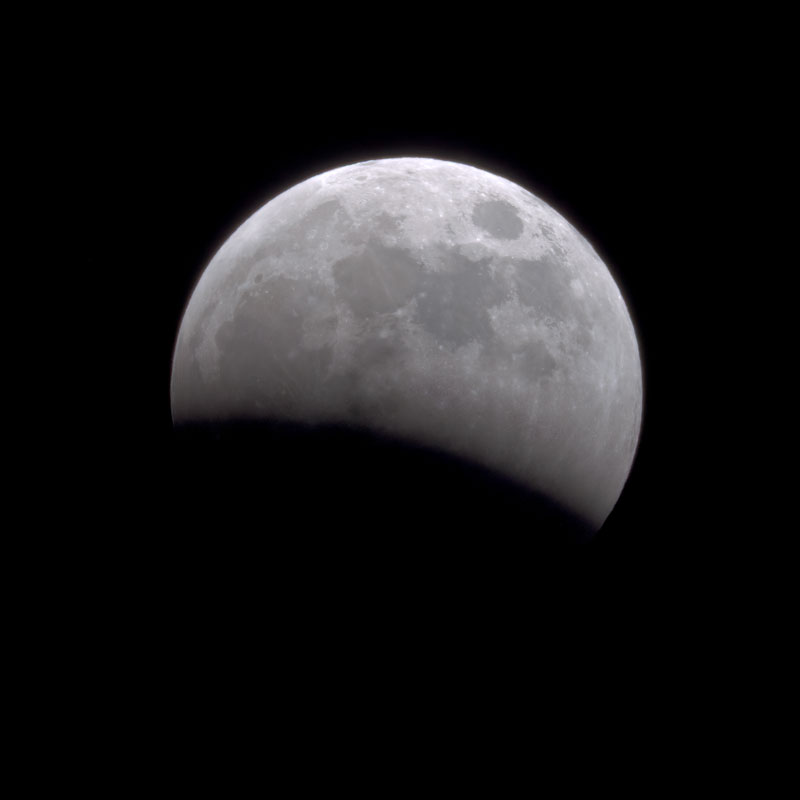
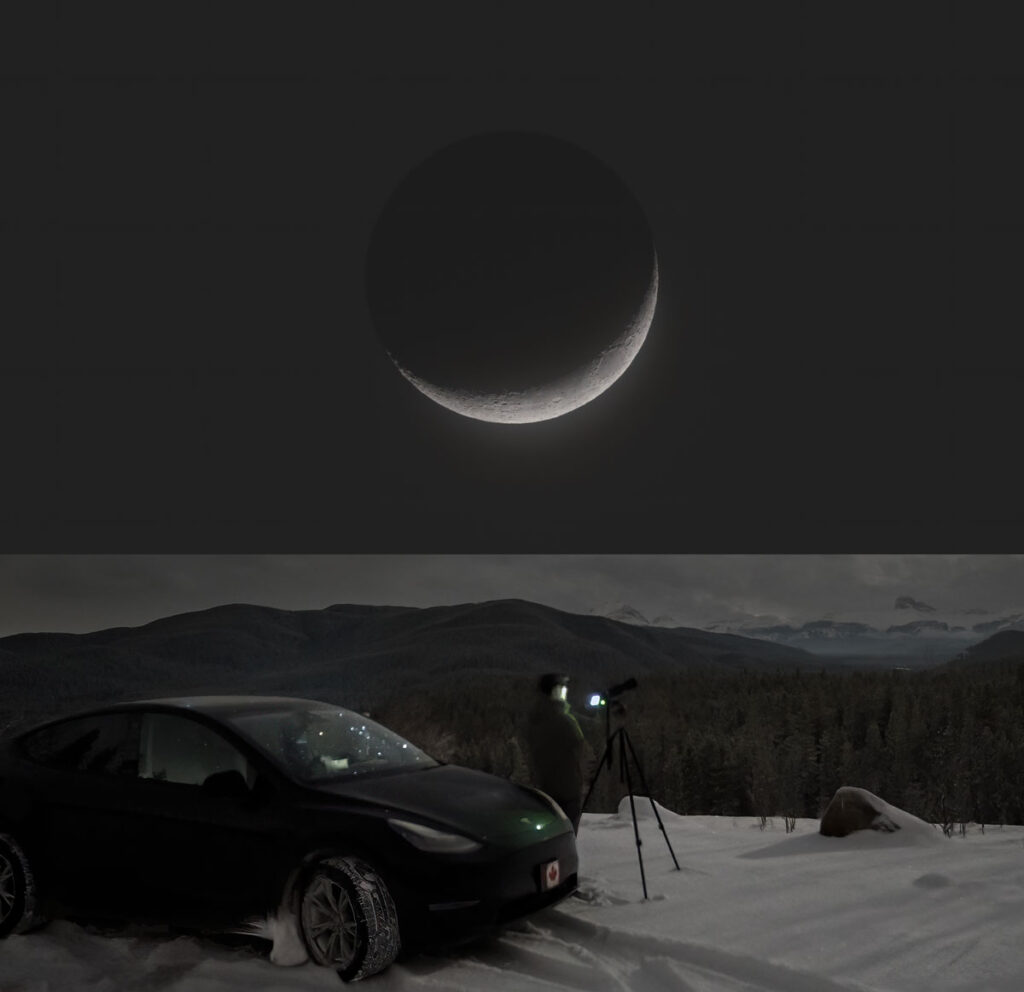
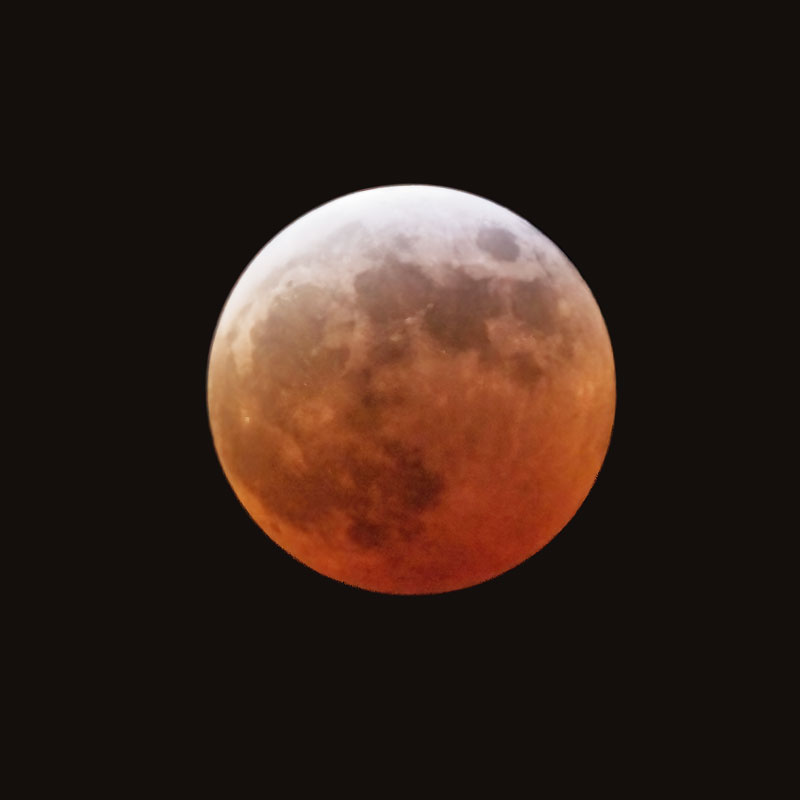
The Moon drifts at about 15 degrees per hour. At wide focal lengths, keeping it in frame is manageable. But, at 200mm and beyond, that movement starts to matter. At 400 to 600mm, it becomes a real challenge to keep the Moon in frame. Even at 1/100s, you can see softness if your camera stability isn’t solid. At exposures longer than about a half second, the Moon’s movement can cause your image to blur. This is where shutter speed becomes less about exposure and more about freezing motion. A stable tripod, remote trigger, and short exposures matter.
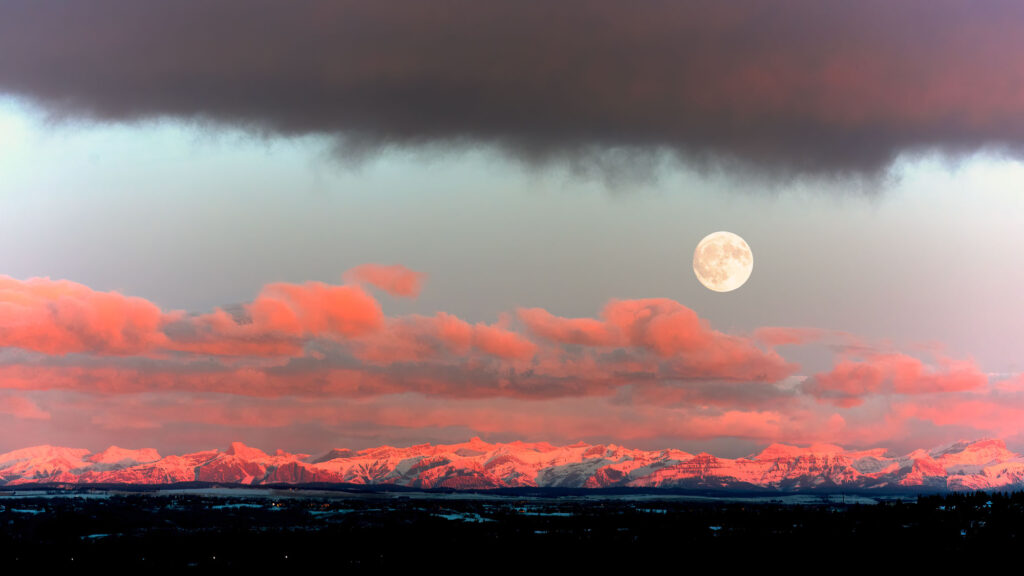
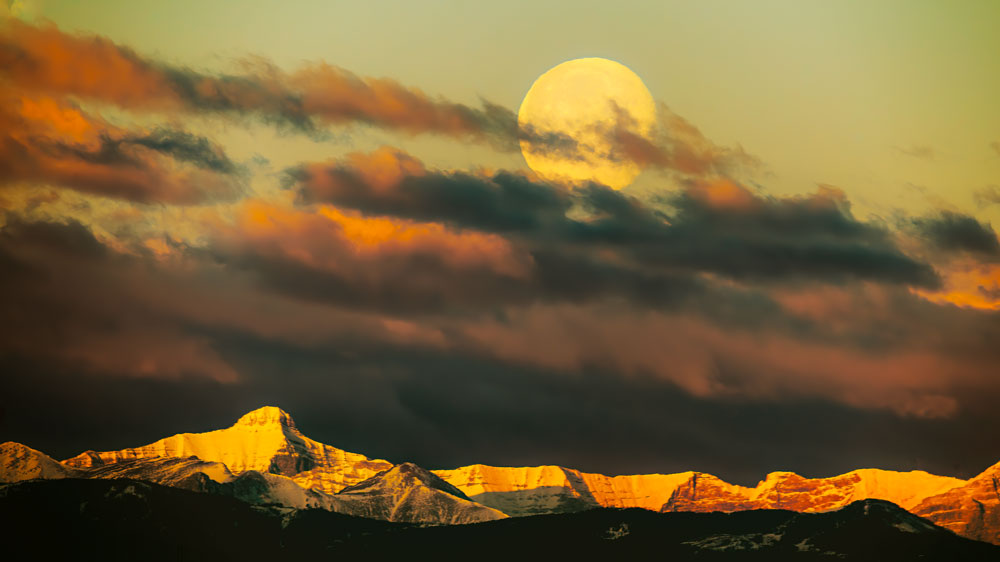
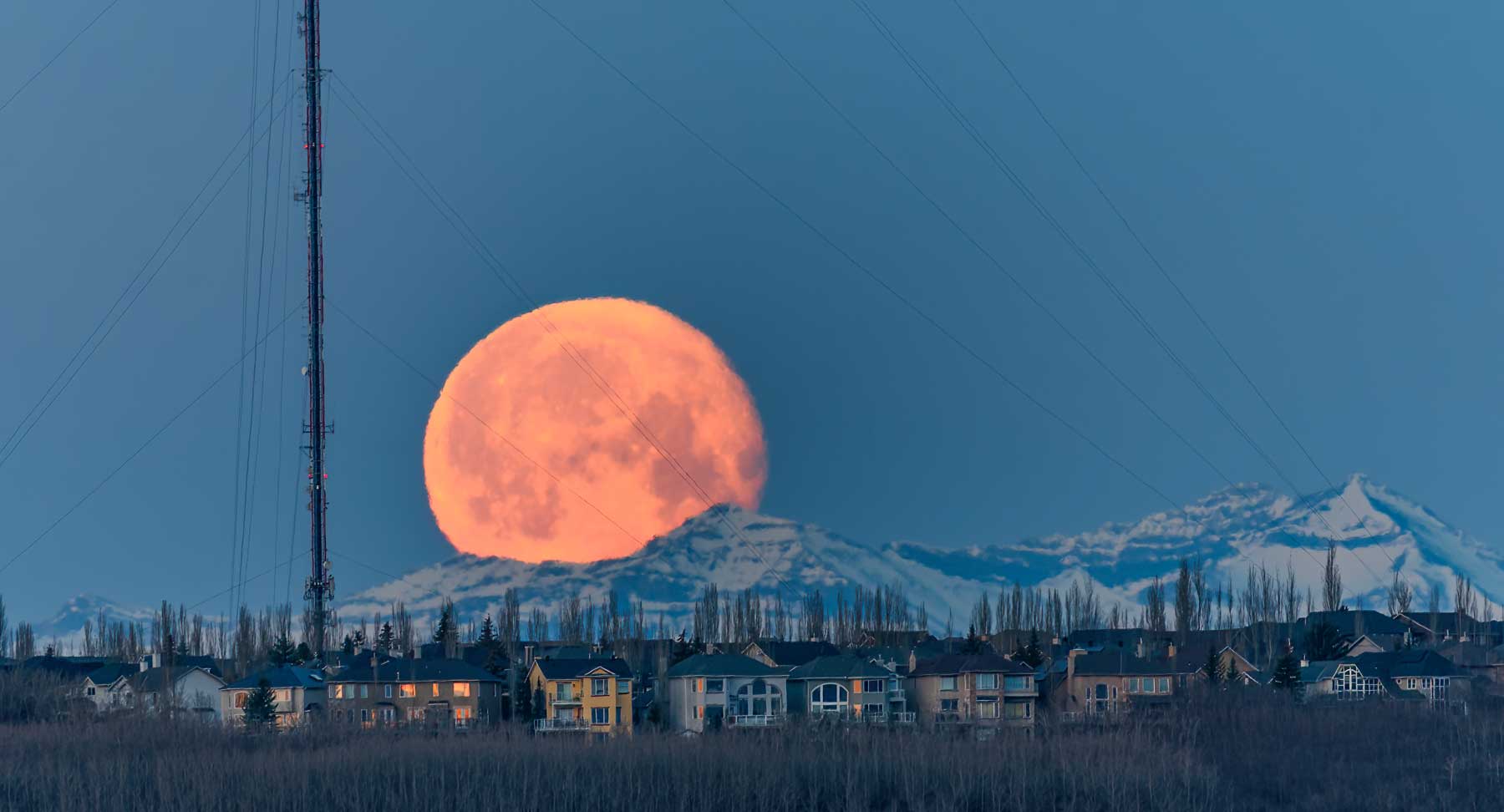
The Moon is one of the few subjects you can return to, to find it rarely behaves the same way twice. It looks stable to the eye, but once you start shooting it across different conditions, you realize how much it’s changing in real time.
That ties directly into stability. Long focal lengths magnify everything. Minor vibration, slight focus drift, even pressing the shutter can soften a frame. A solid tripod, remote trigger, and careful handling become part of the process. It’s less about gear and more about removing things that can work against you.
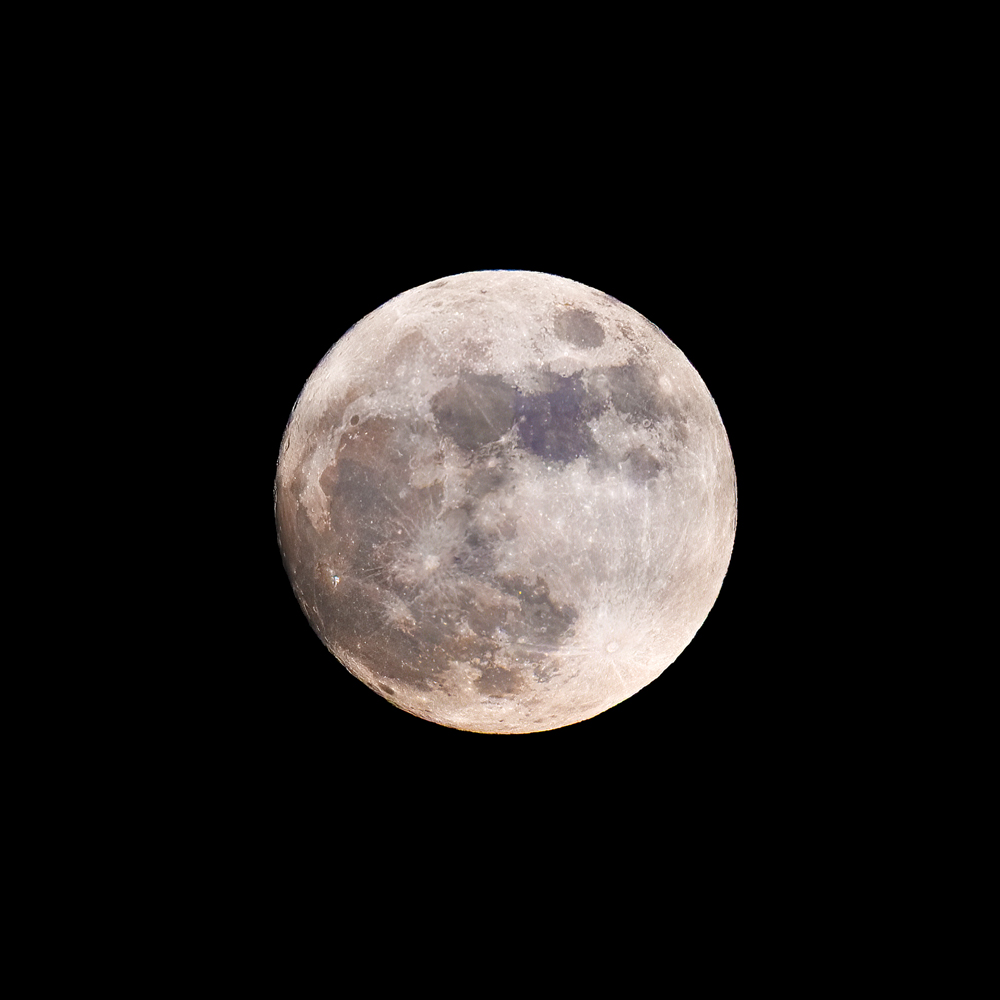
Light is the second major variable, and it changes more than expected. A high, full Moon is bright enough to treat almost like daylight (1/60-1/100 of a second, f11 is a good starting point). Working at low ISO, stopped down slightly, and using fast shutter speeds to preserve surface detail is smart. As the Moon moves lower or if you’re catching it earlier in the evening, the surrounding sky starts to matter. Exposure becomes a tradeoff between holding detail and shaping the sky around it. You can’t optimize both in a single frame without getting creative.
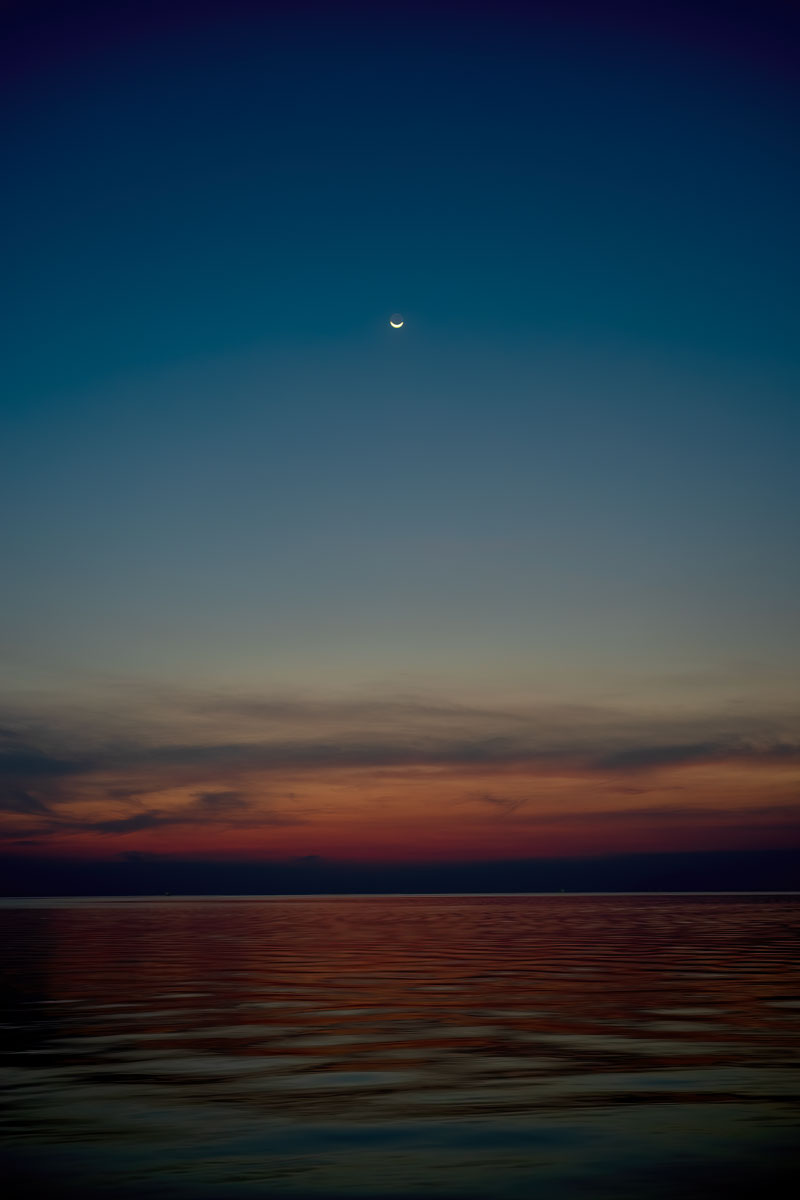
Elevation changes the challenge again. When the Moon is low, you’re shooting through atmosphere. That introduces softness, reduces contrast, and shifts colour toward warmer tones. It can look more dramatic, but you’re giving up detail. When it climbs higher, the air is thinner and the surface sharpens. A practical approach is to treat those as different opportunities. Low for mood and scale. High for clarity and detail.
Focal length defines how you interpret the scene. Tight focal lengths isolate the surface. Craters, shadows, and texture become the subject. That approach is more technical. Focus has to be exact. Exposure needs to protect highlights. Movement needs to be controlled. Wider focal lengths shift the problem. The Moon becomes part of a larger composition. Now timing, positioning, and foreground relationships matter more than surface detail. You’re deciding where it sits, not just how it looks.
Technique is straightforward but needs to be applied carefully. Short exposures to control motion. Slightly stopped down apertures for better sharpness. Low ISO when the light allows. Frequent refocusing using live view at high magnification, especially as temperature and elevation change. Early histogram checks to avoid clipping highlights. Small adjustments as you go rather than locking settings and hoping they hold.
The Moon gives instant feedback. You can see softness, exposure issues, and atmospheric effects right away. You’re not waiting on hours of data or stacking to understand what happened. That makes it a practical subject for refining your shots. Timing, exposure control, and positioning all show up clearly in the result.
Over time, the pattern becomes familiar. You start to anticipate how it will behave at different elevations, how fast you need to work at longer focal lengths, and where the tradeoffs sit between detail and atmosphere. That’s the value. It’s consistent enough to practice, but variable enough to keep forcing better decisions.