Planning your shoot for the atmosphere
All the gear in the world doesn’t help if you ignore the sky you’re standing under – especially at night as I often do. For example, in southern Alberta, we get a warm, dry wind that descends off the Rockies…
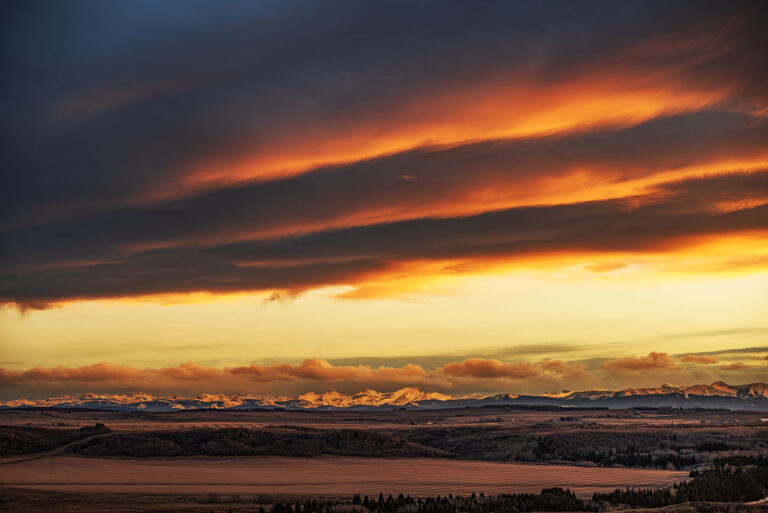
All the gear in the world doesn’t help if you ignore the sky you’re standing under – especially at night as I often do. For example, in southern Alberta, we get a warm, dry wind that descends off the Rockies…
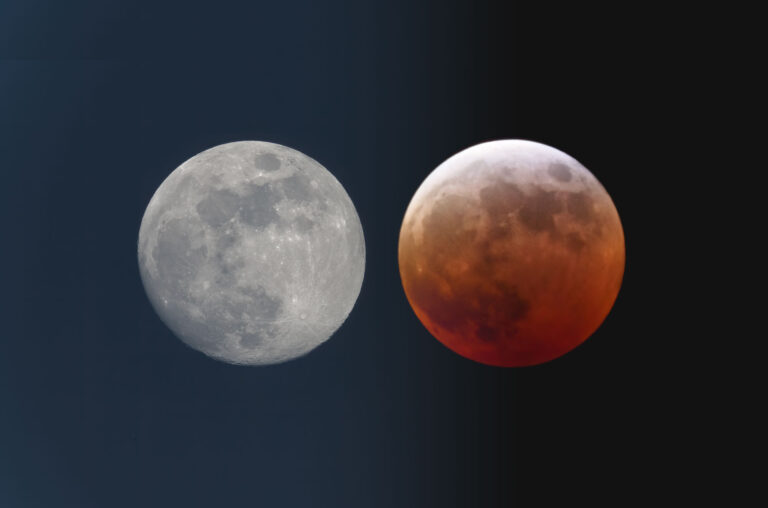
Most lunar eclipse coverage shows a red moon. But it’s not only red. Over the span of a couple of hours, the Earth moves between the Sun and the Moon, causing the Earth’s shadow to slowly cross the lunar surface….
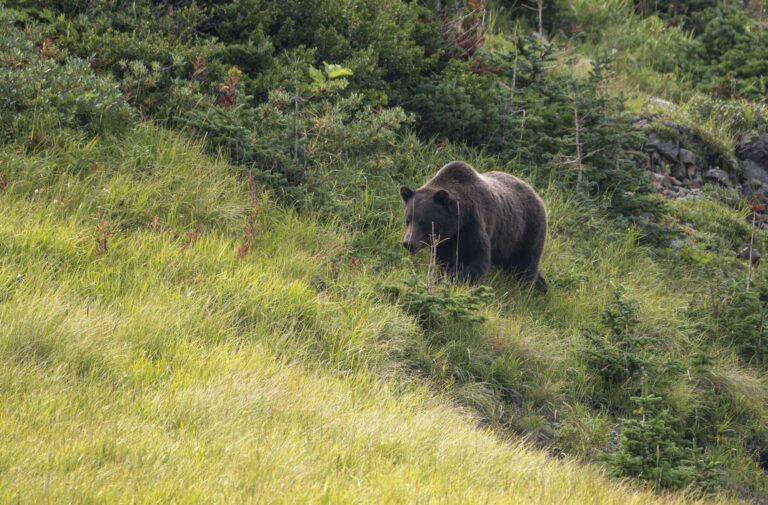
Bears see far better than we do at night. They can move, hunt, and forage in very low light because their eyes are built for it. Behind the retina they have a reflective layer called the tapetum lucidum, which bounces…
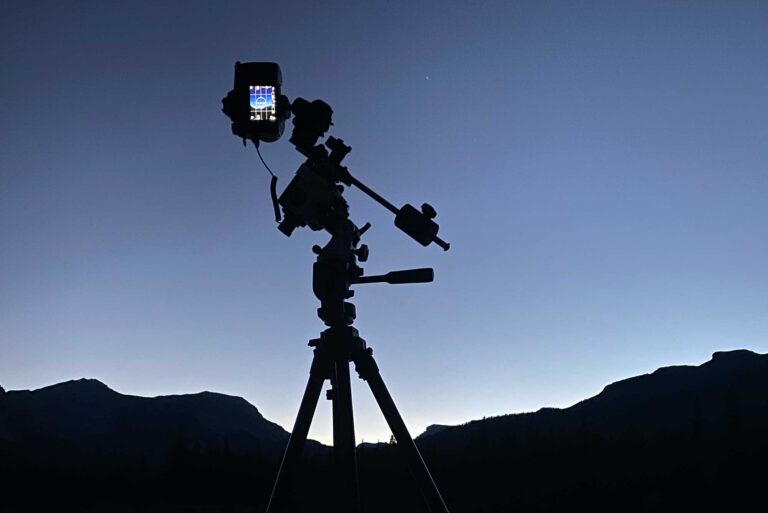
When we capture the night sky, especially faint stars and nebulae, we use long exposures. Long exposures and higher ISO settings introduce noise. Noise shows up as grain, speckles, and unwanted patterns in the image. Because we are trying to…
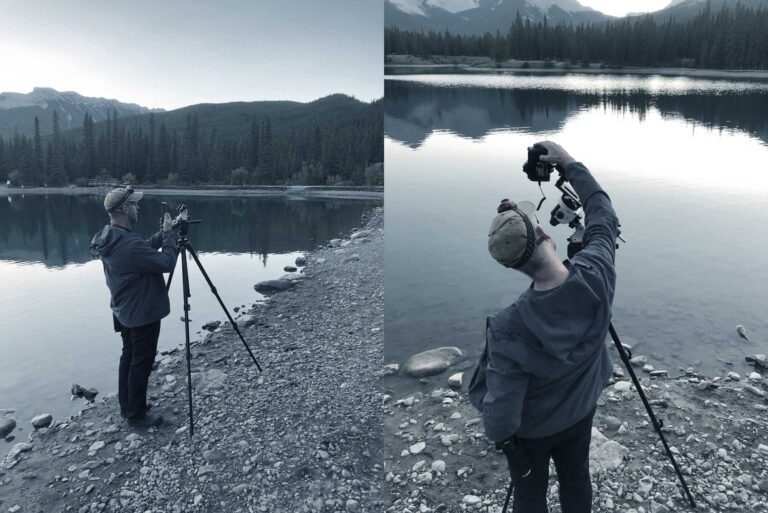
To capture the incredible detail of the milky way or target deep sky objects with a DSLR camera, a star tracker is critical gear. Sitting atop a sturdy tripod just below the camera, star trackers slowly rotate your camera to…
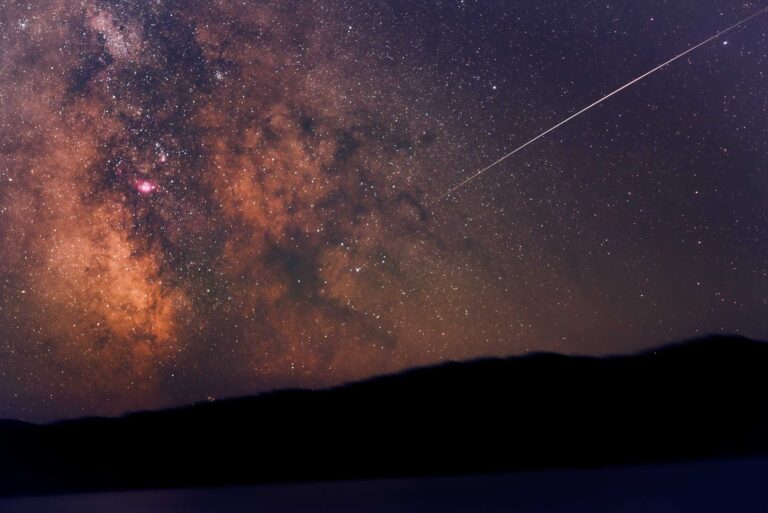
Digital photography has changed the way our cameras see light. Human eyes only see part of the light spectrum. We call that the visible spectrum. A digital camera sensor is not limited in the same way. It can record light…
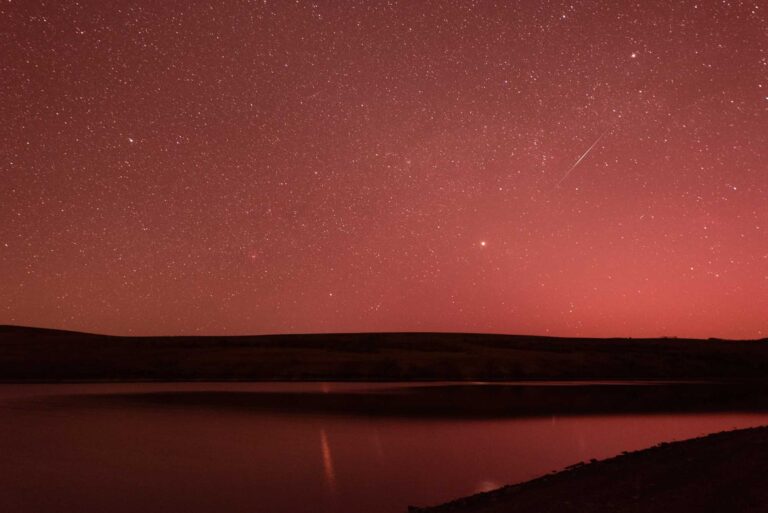
For people who are curious about modifying a DSLR for night sky photography and want to know what that actually looks like in real use. You might have a camera you already use for Milky Way shots. You might have…