About those Moments
Most of my Milky Way images include a good part of Earth. I like the relationship between the foreground and the sky. The foreground gives it a sense of place while the Milky Way provides scale. They can feel like…
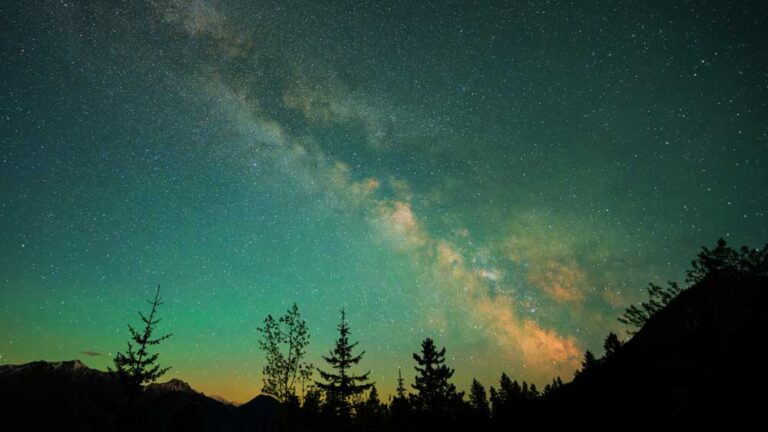
Most of my Milky Way images include a good part of Earth. I like the relationship between the foreground and the sky. The foreground gives it a sense of place while the Milky Way provides scale. They can feel like…
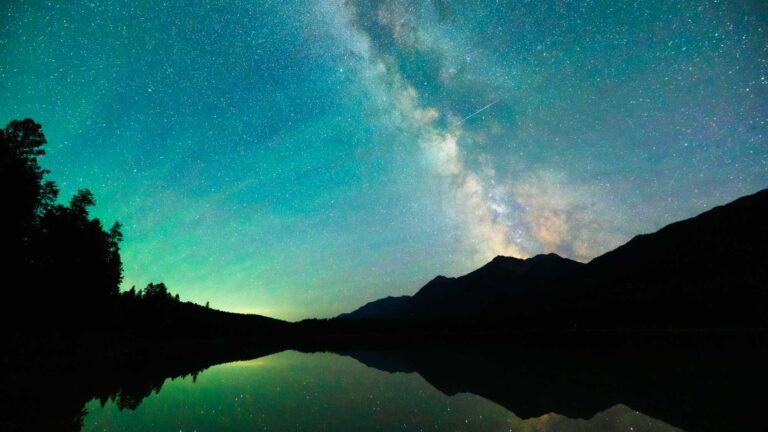
I started noticing airglow by accident. Most of my night sky work in western Canada faces south once Milky Way core season arrives. Most of the time, colours appear in my images: a greenish glow beneath the stars, just over…
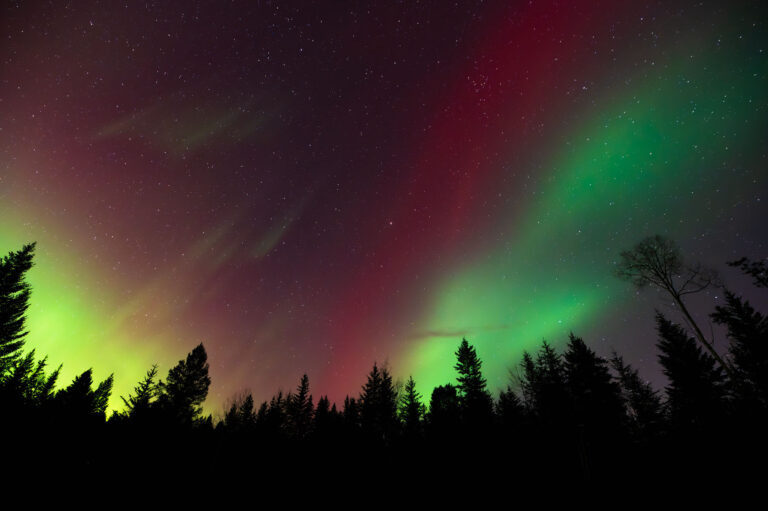
Near Radium Hot Springs, just after 9 pm on April 17, we were set up on a muddy back road on the west side of the Columbia River valley. The first green didn’t “arrive.” It was already there, spread wide…
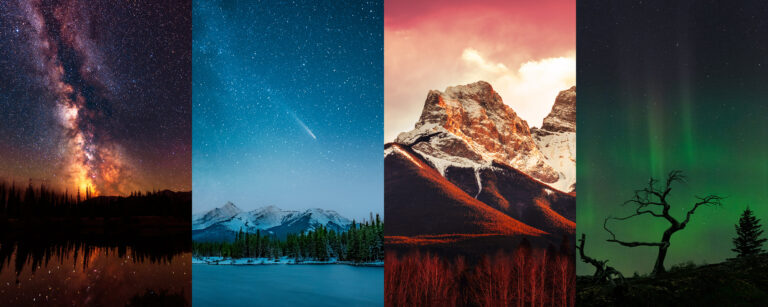
Most people think I photograph the night sky. That’s not quite right. I photograph moments that happen to take place at night (or near it). Some are loud. Storms rolling across the sky. Aurora moving faster than you can react….
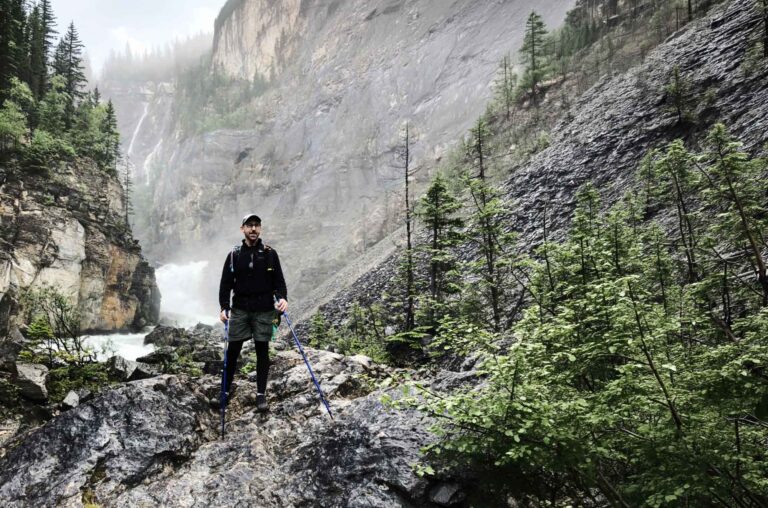
Randy Milanovic doesn’t talk about nighttime photography as if it’s just one subject. The most obvious target, our Milky Way, is a major part of it, but not the whole of it. (If you’re new to night time photography, this…
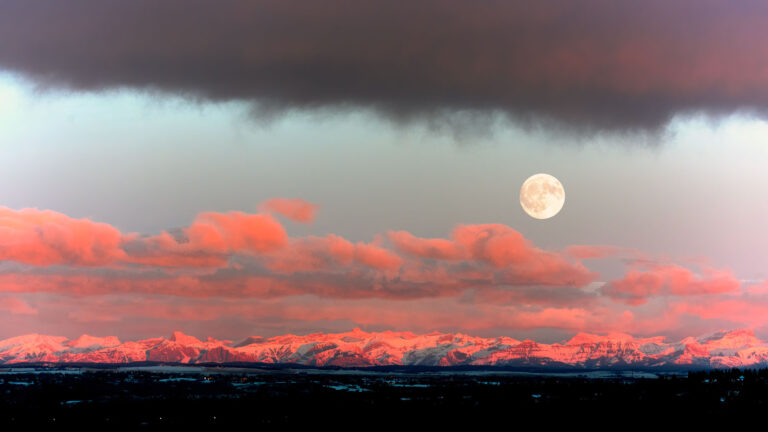
All the gear in the world doesn’t help if you ignore the sky you’re standing under – especially at night as I often do. For example, in southern Alberta, we get a warm, dry wind that descends off the Rockies…
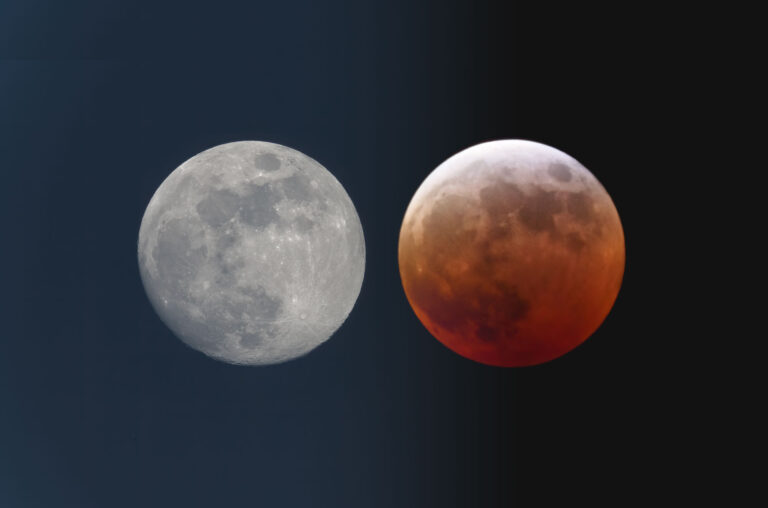
Most lunar eclipse coverage shows a red moon. But it’s not only red. Over the span of a couple of hours, the Earth moves between the Sun and the Moon, causing the Earth’s shadow to slowly cross the lunar surface….
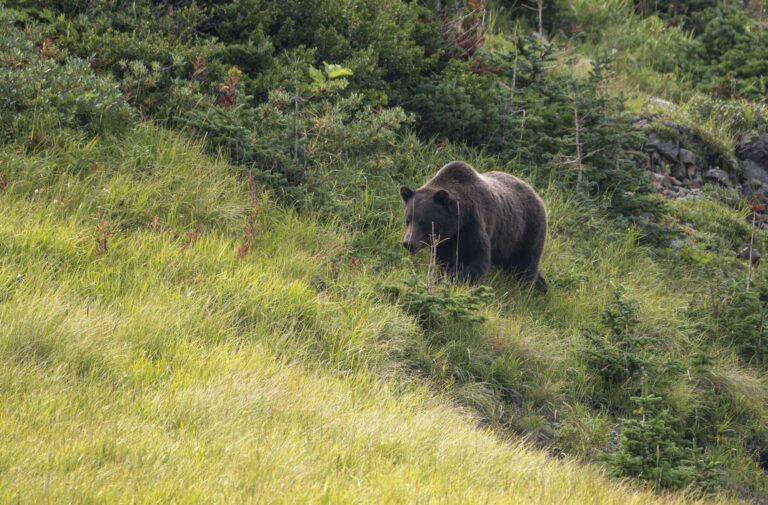
Bears see far better than we do at night. They can move, hunt, and forage in very low light because their eyes are built for it. Behind the retina they have a reflective layer called the tapetum lucidum, which bounces…
When we capture the night sky, especially faint stars and nebulae, we use long exposures. Long exposures and higher ISO settings introduce noise. Noise shows up as grain, speckles, and unwanted patterns in the image. Because we are trying to…
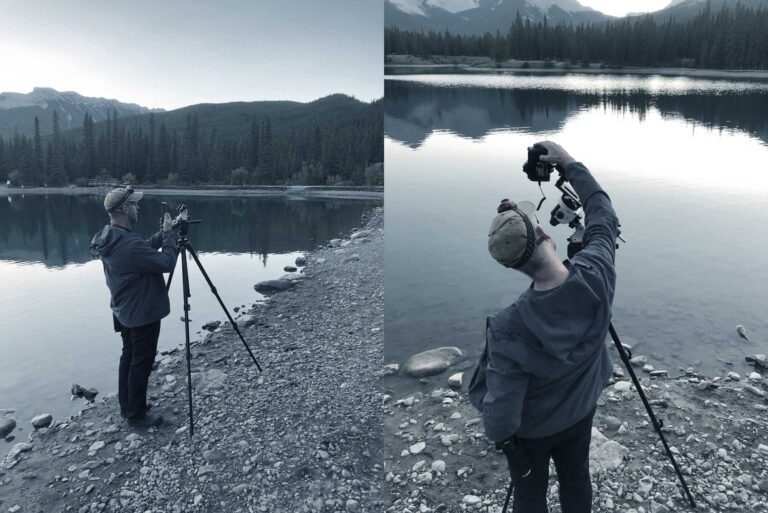
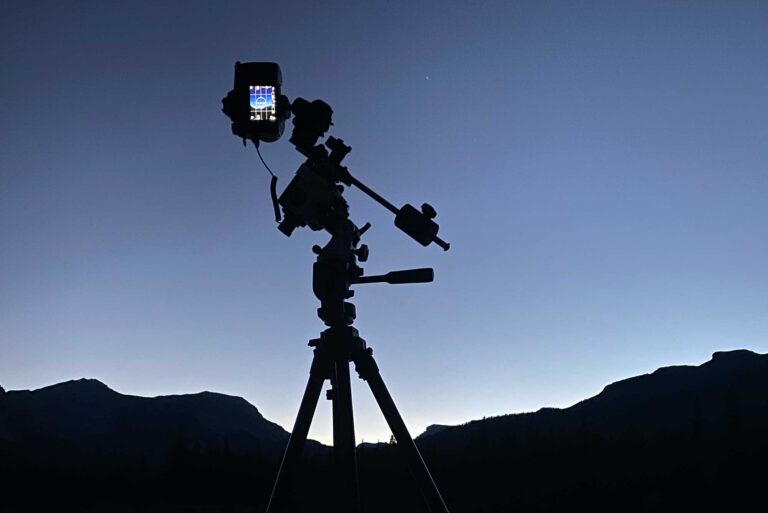
To capture the incredible detail of the milky way or target deep sky objects with a DSLR camera, a star tracker is critical gear. Sitting atop a sturdy tripod just below the camera, star trackers slowly rotate your camera to…