Photo Compositing
Landscapes (and interiors, too) are often composites of two or more images. That’s because movement, the angle and intensity of light, depth of focus, and nearby/distant objects come into play. Let’s take a look at how.
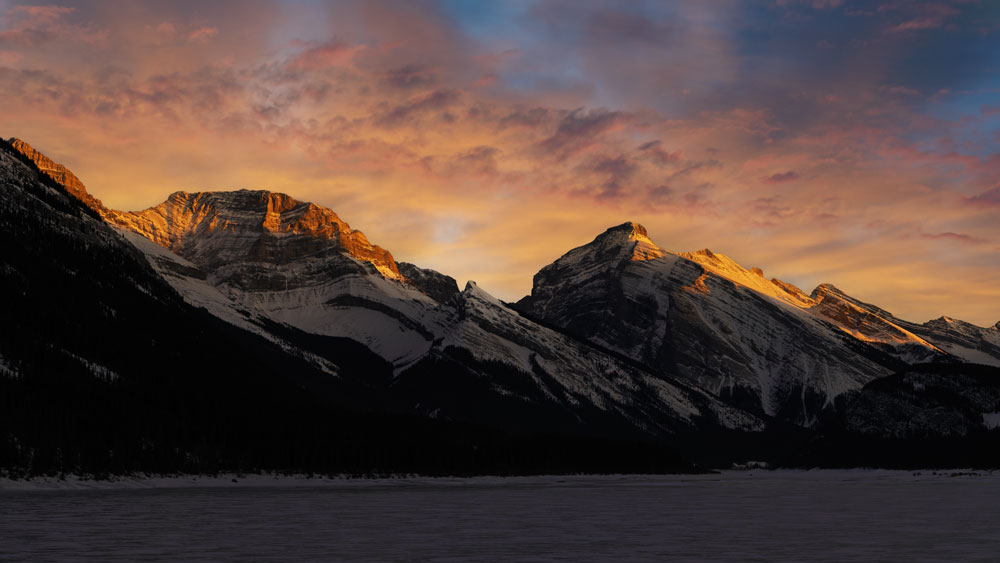
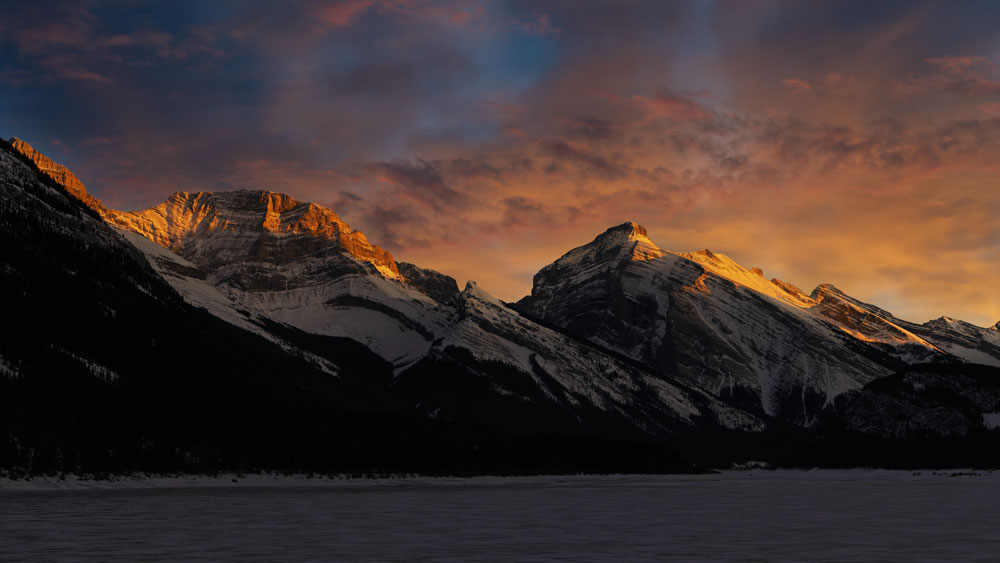
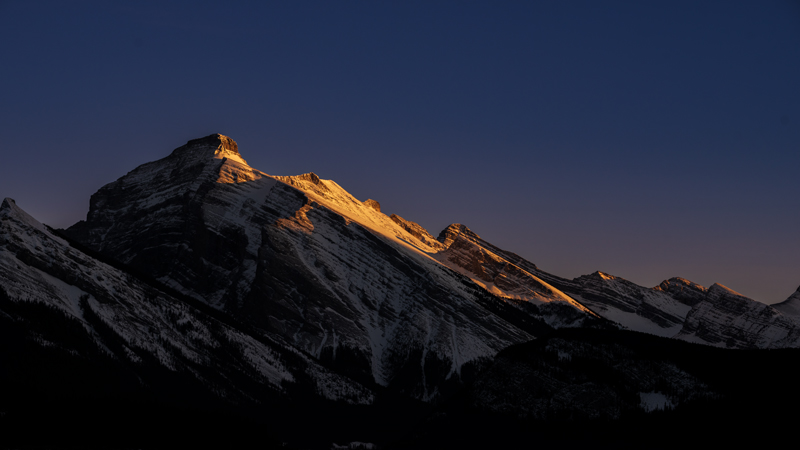
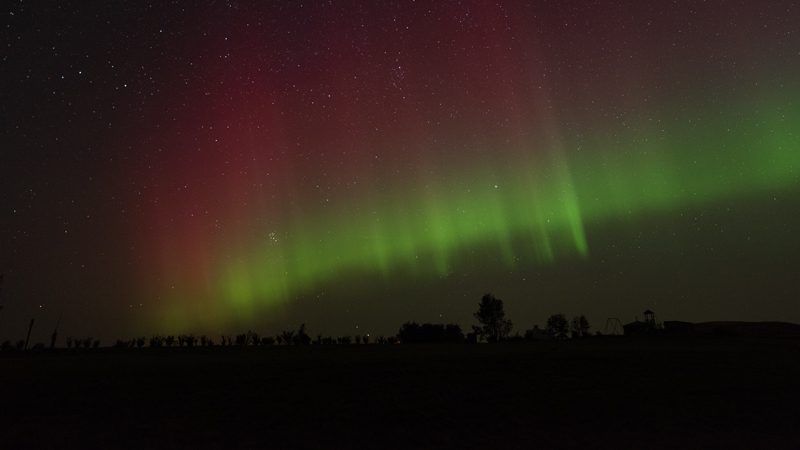
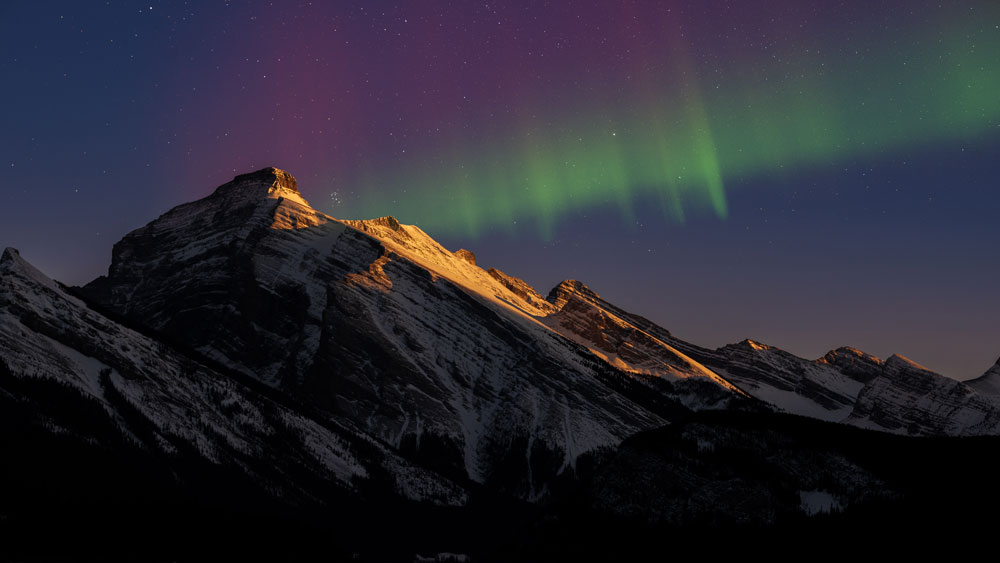
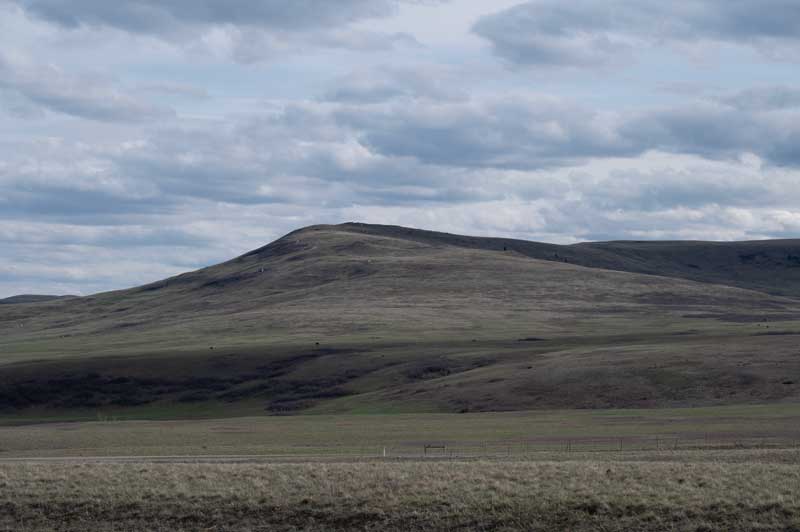
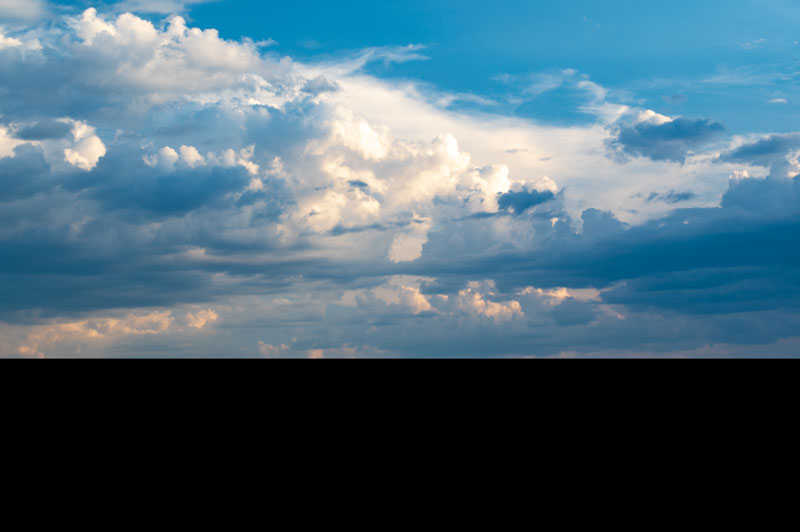
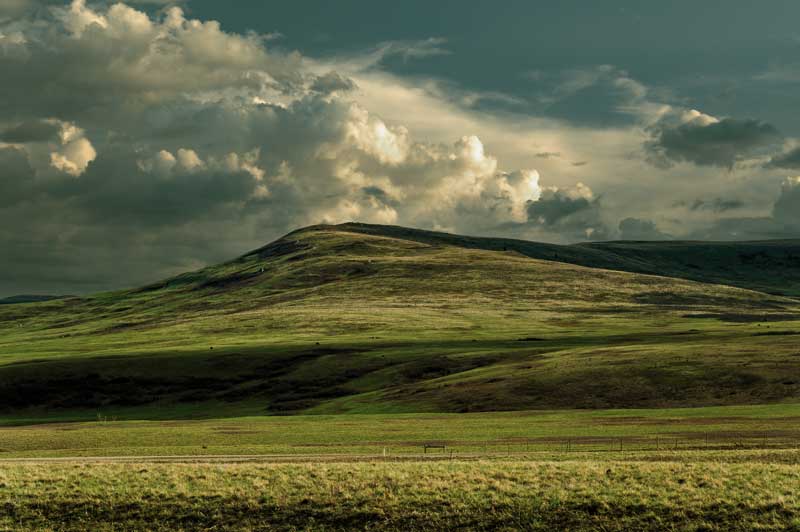
Compositing offers opportunities to be creative.
Creating art from otherwise lacklustre photos can lead to some fun and completely unintended outcomes.
Preparing to create a composite: capturing the source images
In anticipation of a late evening milky way shoot, I’d arrived with a friend to roast hot dogs on a fire and chill for a bit beside the pond that afternoon. Forgetmenot is located at the west end of Highway 66 past Bragg Creek, Alberta, about an hour west of Calgary.
A unique feature of the pond is a beautiful wheelchair-accessible walking trail that runs the full circumference of the bean-shaped pond. The trail is dotted with park benches, picnic tables, and gorgeous mountain views reflecting on the pond’s surface. From this path, visitors can easily pick their preferred angle of view.
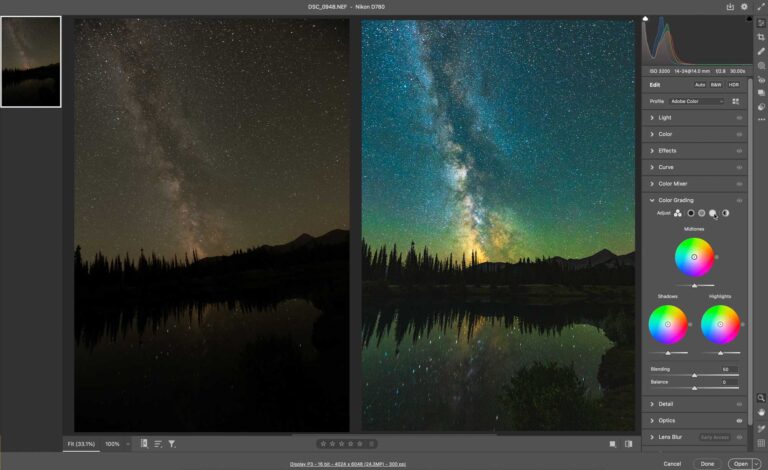
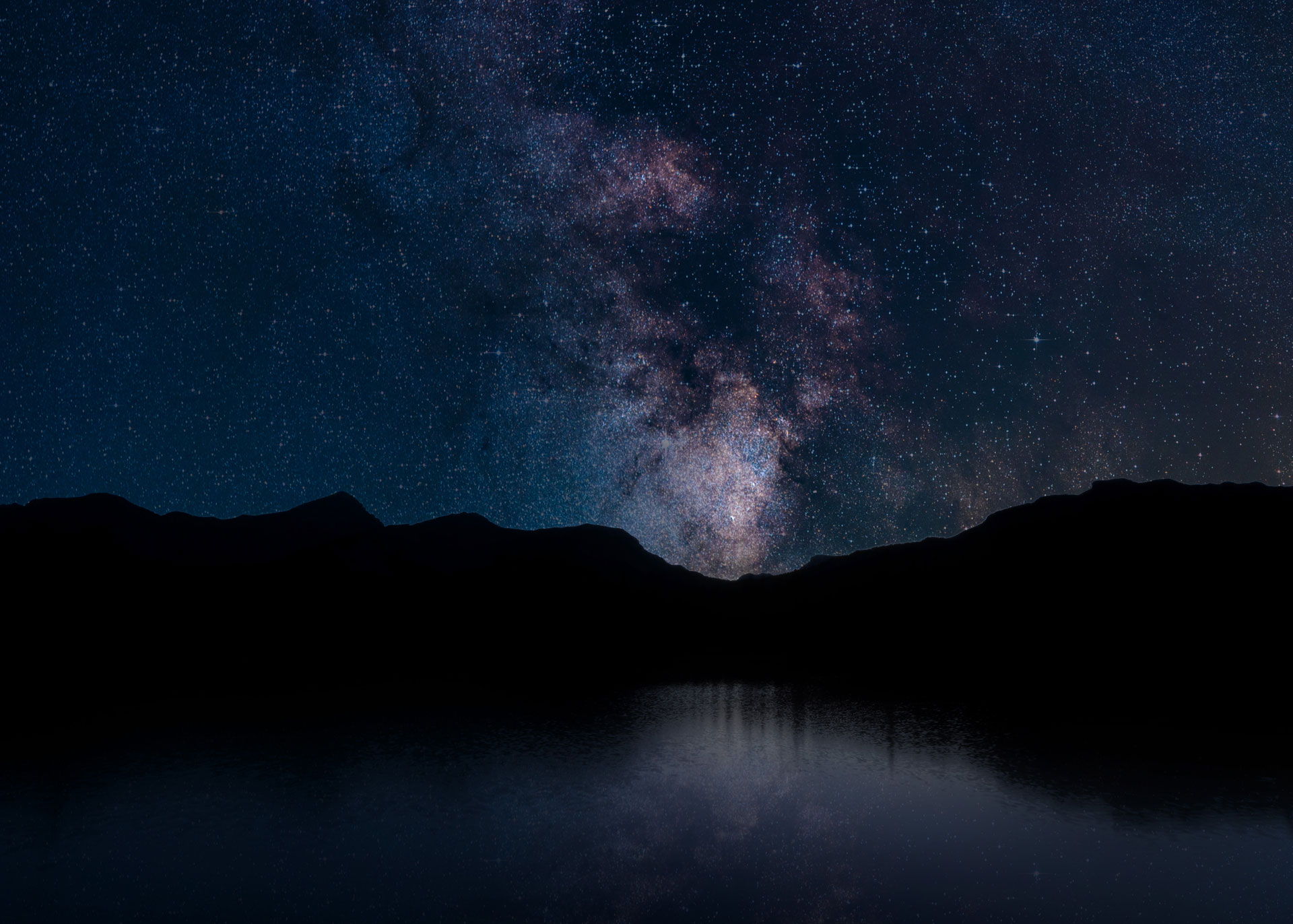
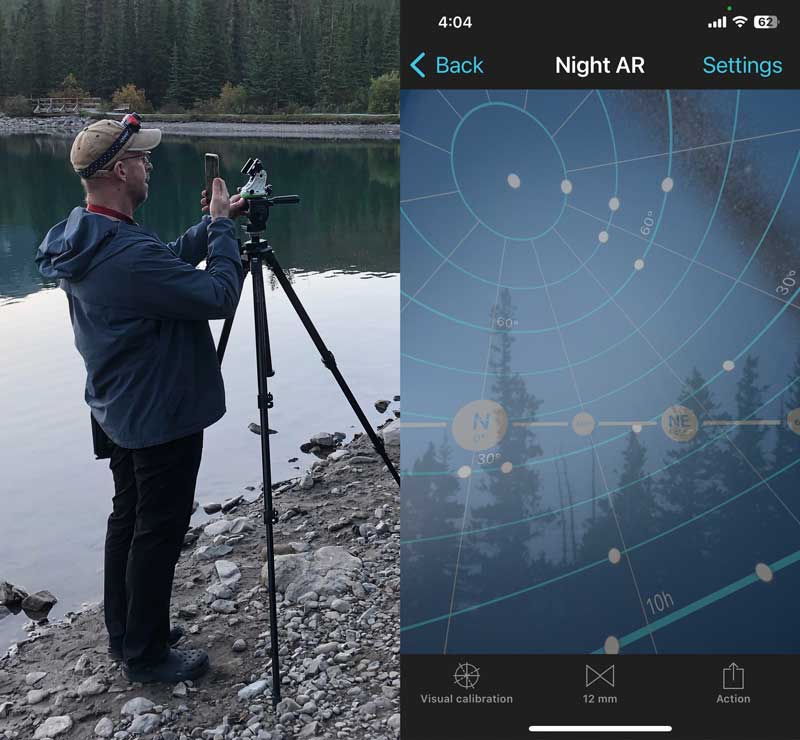
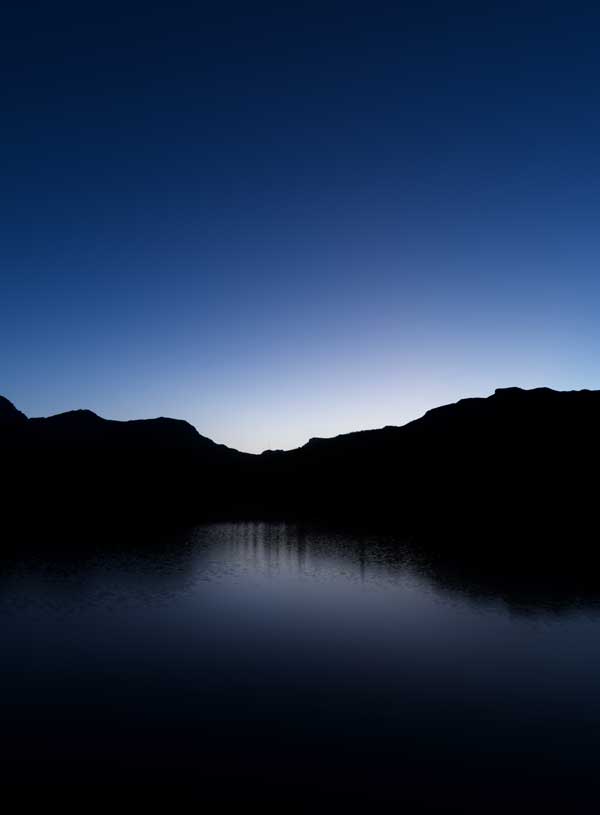
In prep for the shoot, I set up two cameras on sturdy tripods. The first, a Nikon D810 to capture the foreground of pond, tree line, blue sky during blue hour, and mountains. The second, a Nikon D780 atop a Star Watcher Star Adventurer 2i to capture the Sept 15th Milky Way in a single 15-minute capture. The core of the Milky Way had begun its fall below the horizon where it would remain until February. Fortunately, I was gifted clear skies that night and was determined to make the most of it. Aligning the star tracker took more than 30 minutes.
At the same time, I was discovering how to use the PhotoPills app with it’s Night AR feature which turned out to be amazing. The feature even helped me align the tracker to Polaris in broad daylight! Once the stars came out, I was pretty much ready to shoot. Of course to complete the work, once I had the RAW captures, I needed to process both night sky and landscape photos in a similar colour and style.
Here’s how that went:
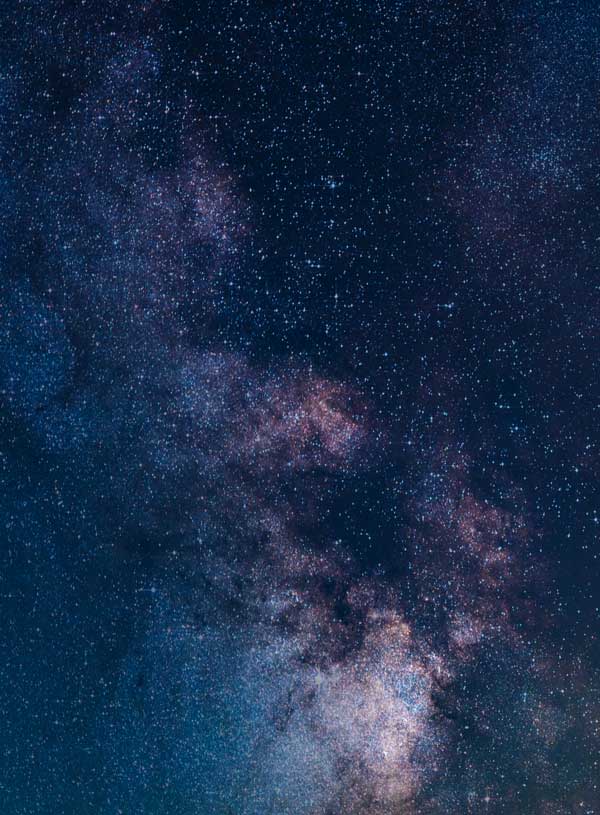
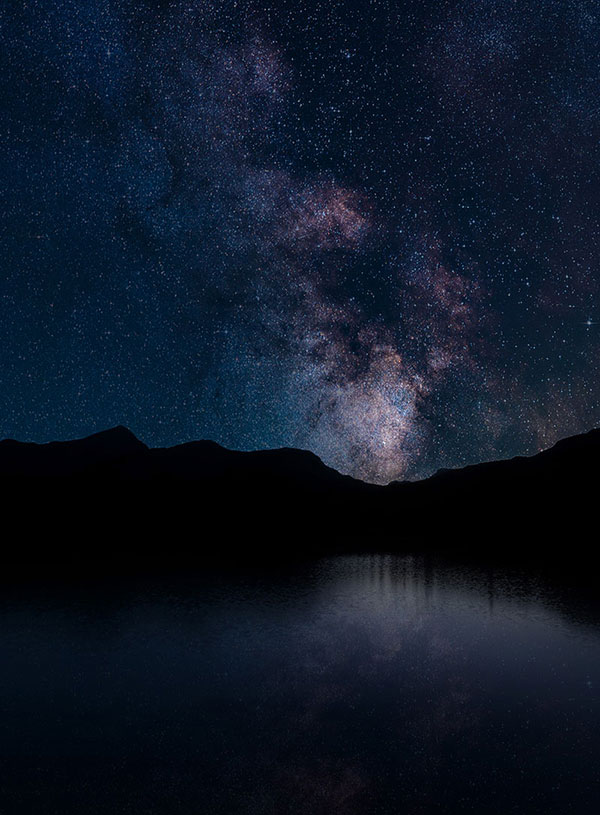
Compositing with motion or video offers even opportunities to be creative.
Starting with original photos, generative fill in Photoshop was used to paint larger scenes.
The Aurora Borealis originally captured over open winter prairies has it’s foreground replaced with a pond and sky extended.
Evergreen trees and a rock-studded stream added to a photograph of Upper Junction Falls near Turner Valley AB
First, watch closely as this abandoned farmhouse from SE Saskatchewan is transformed into a haunted house, then an old farmstead scene is created, all in the dark of night, of course.
A rainbow over Dry Island Provincial Park and the open prairies of central Alberta gains a lake and very dramatic skies.
Technical aspects of these images.
Shot in RAW format (NEF), images are edited and composited in Photoshop. Videos are created with Quicktime and iMovie.