Airglow: One Reason Why Dark Skies Aren’t Actually Dark
I started noticing airglow by accident.
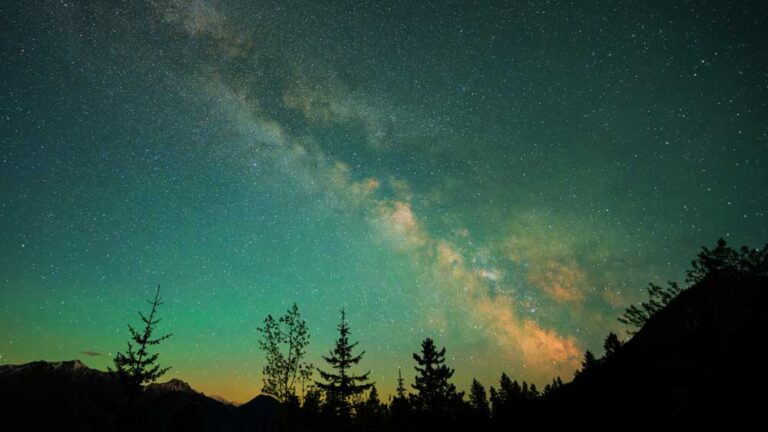
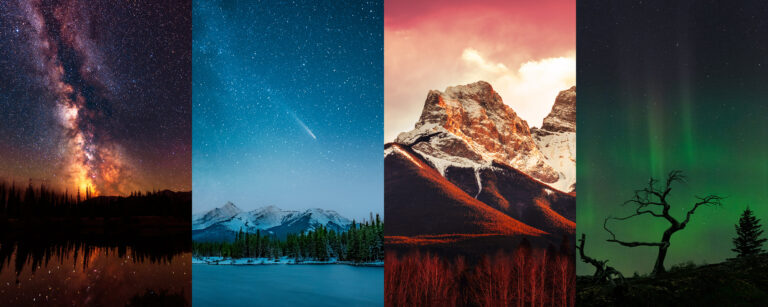
Most of my night sky work in western Canada faces south once Milky Way core season arrives. Most of the time, colours appear in my images: a greenish glow beneath the stars, just over the horizon.
At first glance, it was easy to dismiss as light pollution or weak aurora.
It wasn’t either of those things.
According to Storm chaser and photographer Lori Grace Baily, what I was looking at was airglow.
Airglow is faint light emitted by Earth’s upper atmosphere. It’s present far more often than most photographers realize, but it’s usually too faint for our eyes to notice clearly. A camera collecting light for 20+ seconds (or minutes on a star tracker) can reveal it much more easily.
That’s why a dark sky can still contain colour.
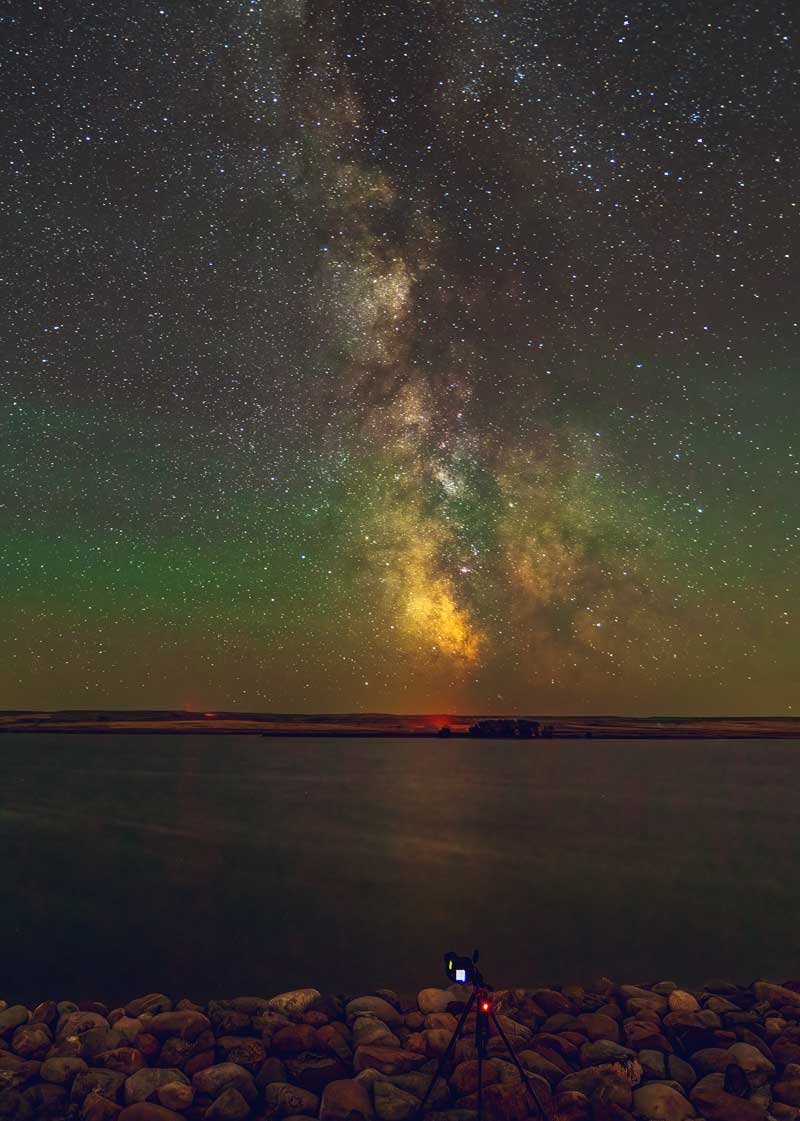
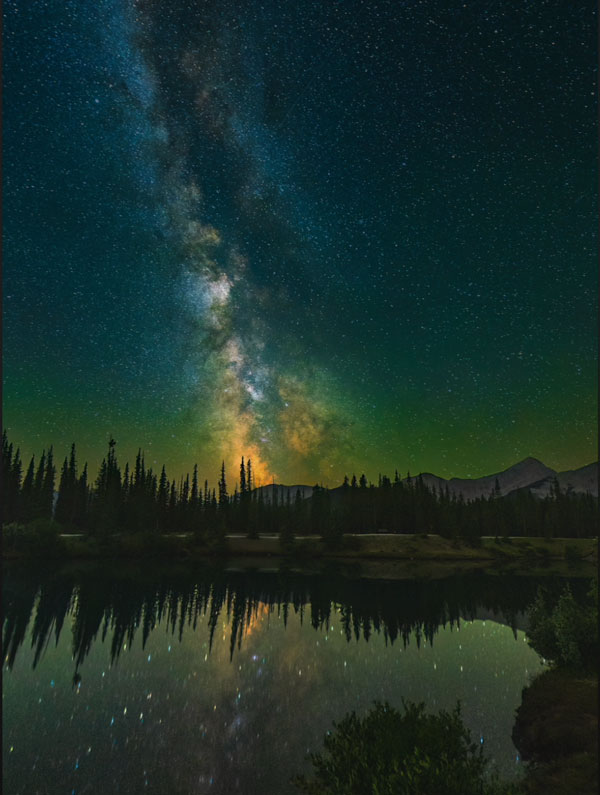
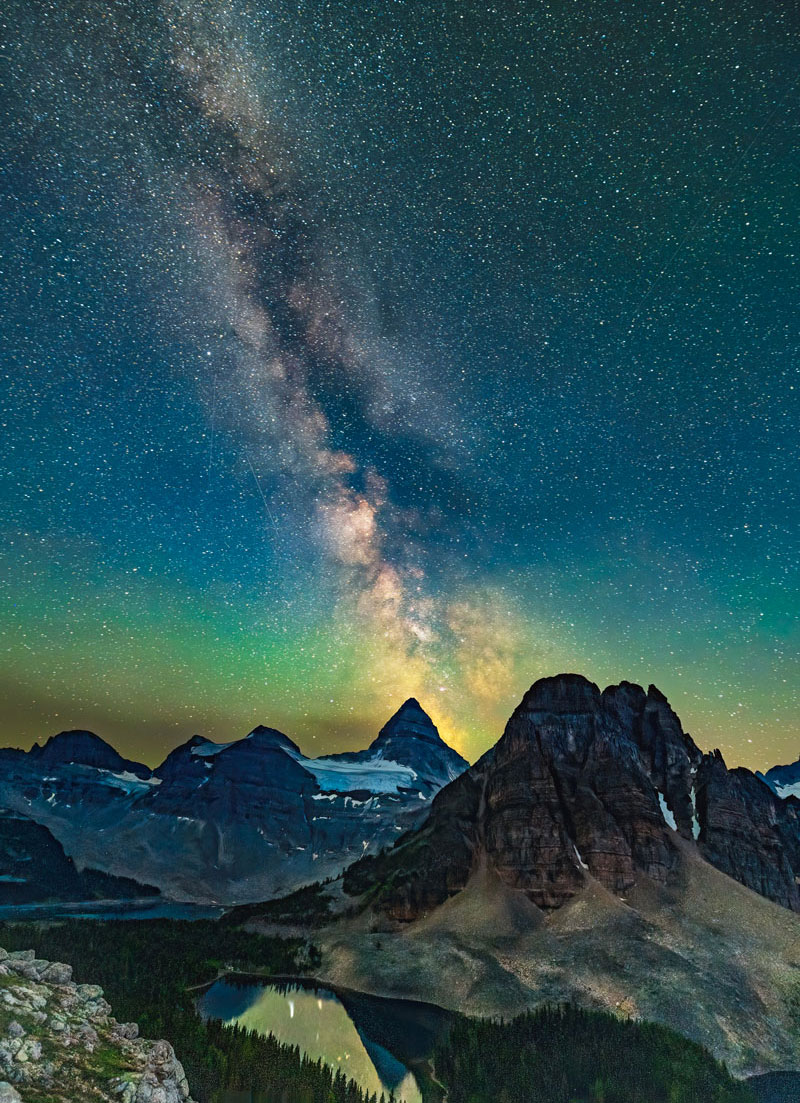
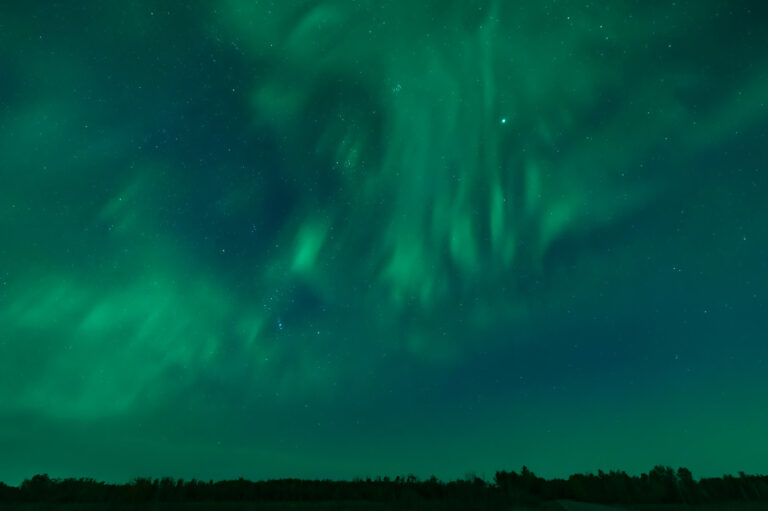
In photos, airglow often appears as a soft green layer above the horizon. Sometimes it shows up as faint bands. Other times, it looks like a diffuse glow spread through the lower sky.
It can be subtle. It can also be strong enough to affect the mood of an image.
That’s where it could become confusing.
If you’re used to treating dark skies as black skies, airglow can look like something went wrong. It can look like light pollution, colour cast, haze, weak aurora, or an editing issue.
But airglow is not a flaw. It’s part of the scene.
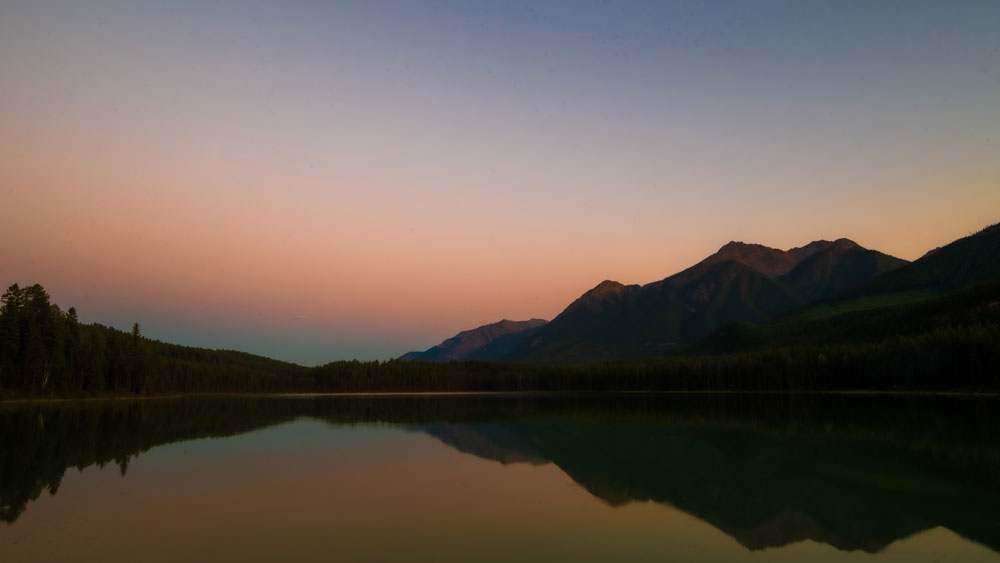
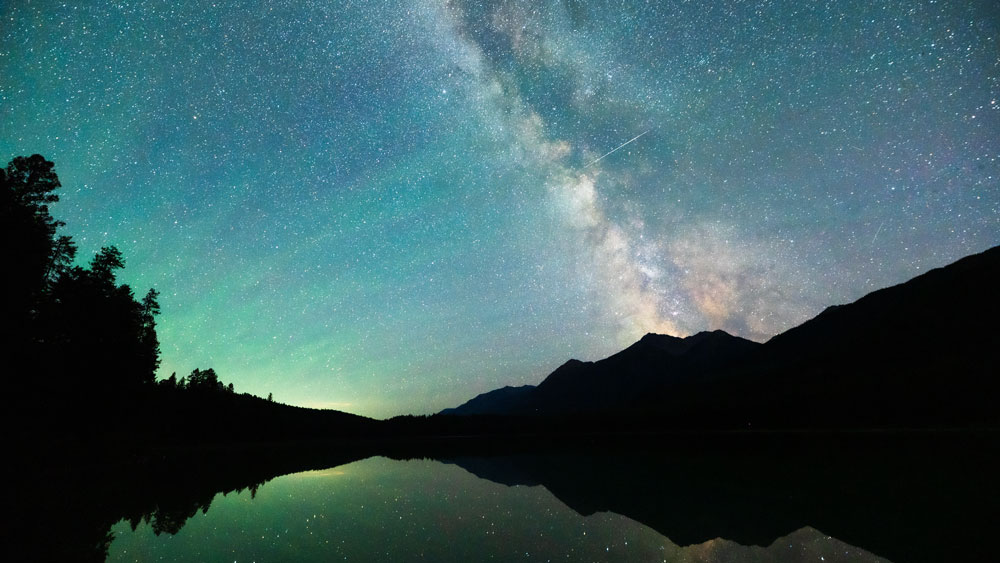
The difference matters because airglow is natural. It’s part of the atmosphere, not something added by lights in a town, along a road, or from a distant city.
The atmosphere is not empty space between the camera and the stars. It has structure, chemistry, movement, and colour. Under the right conditions, a long exposure records that activity as part of the night sky.
That’s what makes airglow interesting to me.
It shows that dark skies aren’t blank. Even far from city lights, the sky still has its own natural glow.
Airglow happens high above Earth, where atoms and molecules in the upper atmosphere release energy as light. During the day, sunlight charges parts of the upper atmosphere. At night, some of that energy is released as faint visible light.
NASA describes airglow as a natural glow from Earth’s upper atmosphere, separate from city light, haze, or aurora.
The colour depends on what’s happening in the atmosphere. Green airglow is often linked to oxygen high above Earth. Red and orange tones can also appear, depending on altitude and conditions.

For photographers, the practical question is usually simpler: how do I know what I’m seeing?
If the glow sits above a dark horizon, appears across a wide part of the sky, and doesn’t line up with towns, roads, or obvious light sources, it may be airglow. If it appears in repeated frames and changes slowly, that’s another clue.
Aurora usually has more structure, movement, and direction. Light pollution usually connects back to a town, road, or settlement. Smoke and haze tend to soften contrast and spread warm colour through the scene.
Airglow can be quieter than all of those. It can sit there, faint and steady, while the Milky Way rises above it.
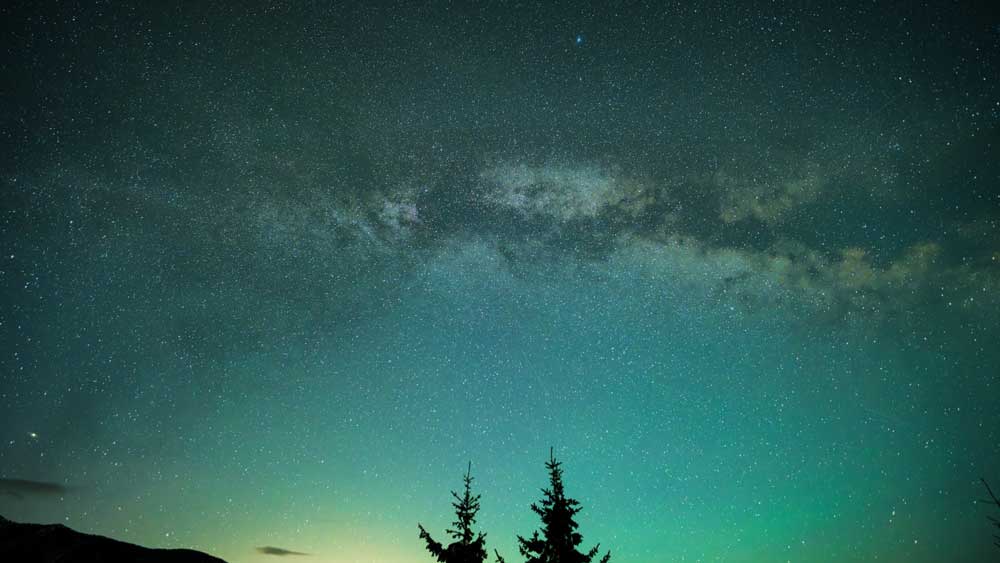
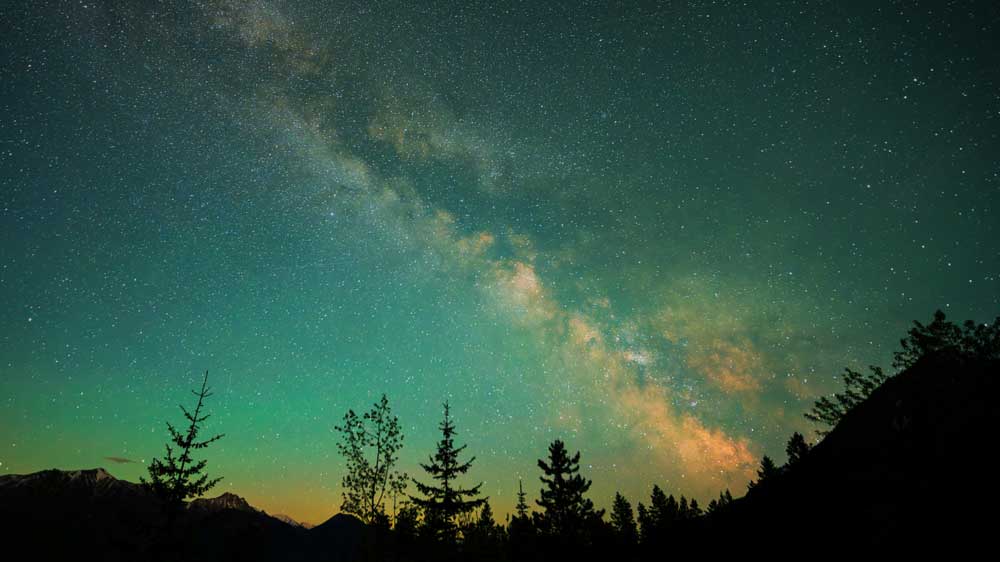
Once you start noticing airglow, it changes how you edit night images.
Not because you need to remove it. Because you need to handle it carefully.
A strong green glow can affect white balance. If you remove too much green, the sky can start looking unnatural. If you push contrast too hard, the glow can become blotchy or distracting. If you stack or stitch multiple frames, airglow bands can become more obvious because the camera is collecting faint colour across several exposures.
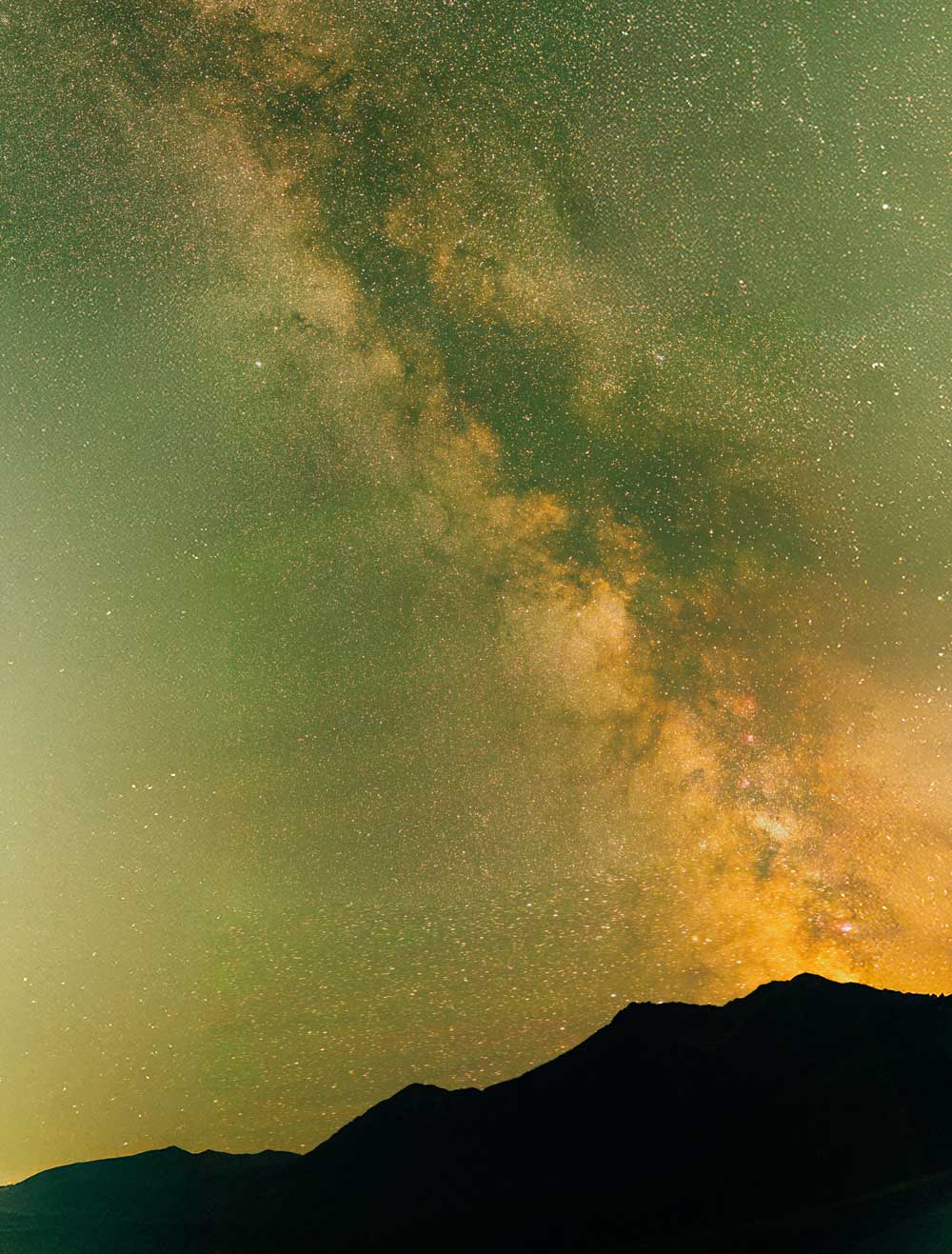
That doesn’t mean the image is wrong.
It means the sky had more going on than you could see with your eyes.
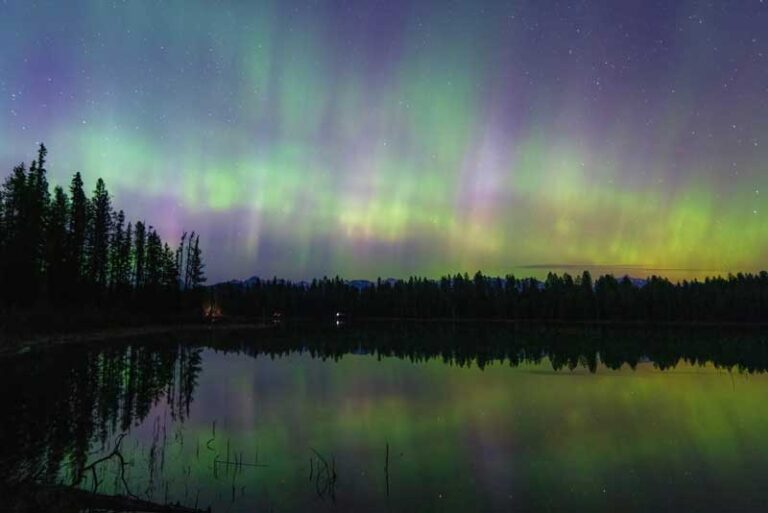
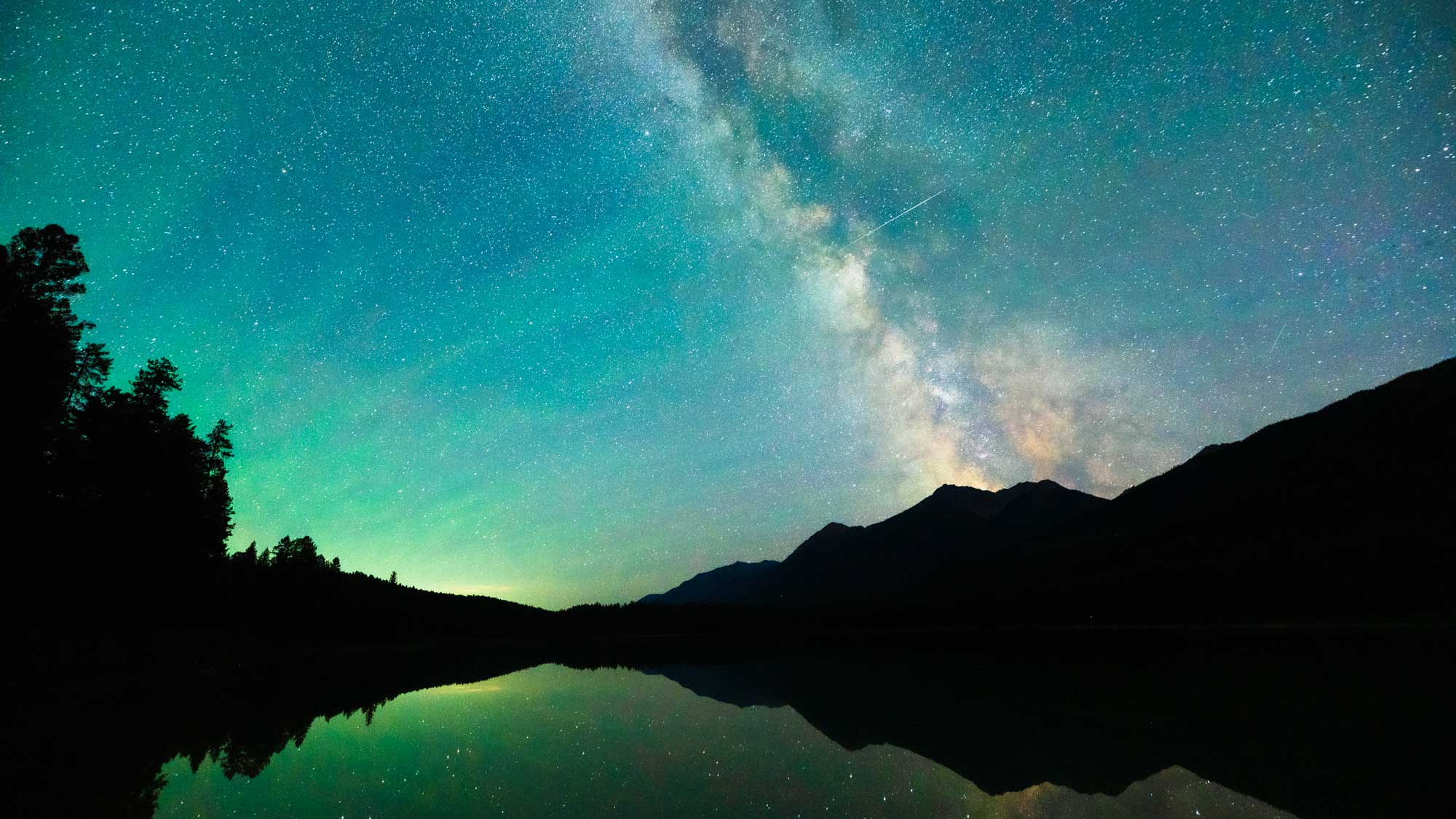
In some of my images, airglow becomes part of the composition. It adds separation between the horizon and the sky. It gives the lower atmosphere a visible presence. Over lakes and still water, it can also reflect into the scene and make the landscape feel less empty. And sometimes, it colours all or parts of the entire image.
That matters because night photography is often described as capturing the stars. But sometimes, the most interesting part of the frame is closer to Earth.
Airglow reminds me that dark skies are not empty. Even on clear nights, far from city lights, the atmosphere is active. It’s reacting, glowing, shifting, and revealing itself slowly through long exposures.
You may not see much of it while standing there in the dark. But, your camera probably will.